Alcohol addiction can feel like a trap with no way out, but here is the truth worth holding onto: it is highly treatable, and people recover from it every day. The hard part is knowing where to start, because the internet is full of conflicting advice and quick fixes that rarely last.
So what is the best treatment for alcohol addiction? The honest answer is that it is not any single thing, but a combination of proven approaches matched to the person.
Quick answer: The best treatment for alcohol addiction combines medically supervised detox, evidence-based therapy, medication when appropriate, care for any co-occurring mental health conditions, and strong aftercare, all tailored to the individual.
What Is the Best Treatment for Alcohol Addiction?
There is no magic pill or one-size-fits-all cure. The most effective alcohol addiction treatment brings several elements together and adjusts them to your history, health, and goals. A program that promises a fast, effortless fix is a red flag, while one that builds a personalized plan around you is on the right track.
Before treatment can begin, it helps to recognize the problem honestly. If you are not sure whether drinking has crossed a line, our guide on what are the signs of alcohol addiction can help you sort it out.
Medical Detox: The Safe First Step
Alcohol is one of the few substances whose withdrawal can be genuinely dangerous, with risks that can include seizures and delirium tremens. For that reason, stopping suddenly on your own is not advised for someone who is physically dependent. Medically supervised detox, usually lasting a few days to about a week, keeps withdrawal as safe and comfortable as possible and sets a steady foundation for the work ahead.
Evidence-Based Therapy and Medication
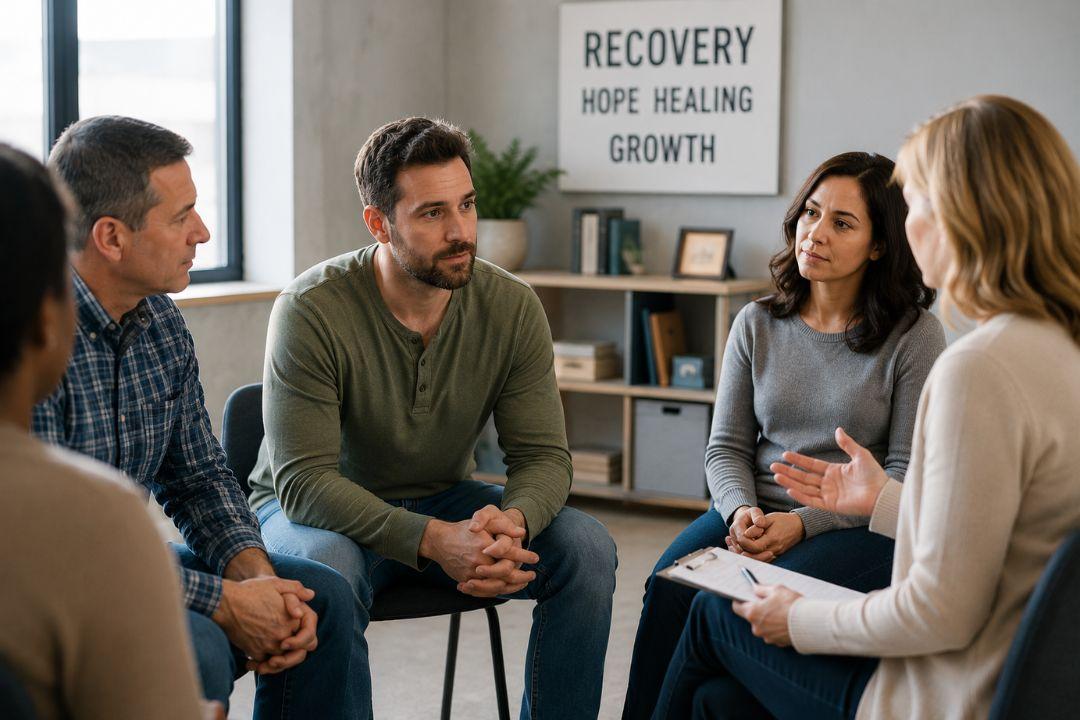
Therapy is the heart of lasting recovery. Approaches like cognitive behavioral therapy and motivational interviewing help you understand the thoughts, triggers, and patterns behind drinking, while individual and group sessions rebuild connection and accountability.
Medication can help too. Several options approved for alcohol use disorder, such as naltrexone, acamprosate, and disulfiram, can reduce cravings or support abstinence when they are prescribed and monitored by a medical team. Combining medication with counseling is often called medication-assisted treatment, and for many people, it meaningfully improves the odds of staying sober.
Many programs round this out with holistic support that treats the body alongside the mind, such as nutrition guidance, exercise, mindfulness, and other wellness practices. These do not replace therapy or medical care, but they help restore the health and balance that heavy drinking wears down, and they give you healthy ways to cope once treatment ends.
Treating the Whole Person
Drinking rarely exists on its own. Many people facing alcohol addiction are also living with anxiety, depression, or unresolved trauma, and treating only the alcohol leaves the deeper causes untouched. Quality programs offer dual diagnosis care that addresses mental health and addiction together.
Understanding the roots matters as well. Our guide on why does someone get addicted to alcohol explores the biology, psychology, and circumstances that drive dependence, which can make the path forward clearer and far less shameful.
Residential or Outpatient: Choosing the Right Setting
The best setting depends on the severity of the addiction and the realities of your life. Residential (inpatient) treatment offers structure and round-the-clock support, which suits moderate to severe addiction or anyone who needs distance from a triggering environment. Outpatient care can work for milder cases or as a step down after residential treatment.
There is no wrong door, only the right fit. A trusted alcohol rehab Maryland team can assess your situation and recommend the level of care that gives you the best chance.
Aftercare: Protecting Your Progress
Recovery does not end at discharge. In many ways, the months after treatment are when lasting sobriety is truly built, so the strongest plans map out support for life beyond the program. Effective aftercare usually includes:
- Ongoing counseling, so you keep working through challenges with a professional as real life resumes.
- Peer or alumni groups, such as mutual-support meetings, that surround you with people who understand the journey.
- A clear relapse-prevention plan, identifying your triggers, warning signs, and exactly what to do when cravings hit.
- Continued medical support, including any prescribed medication and check-ins to manage co-occurring conditions.
- Family involvement, because a strong, informed support system at home makes recovery far easier to sustain.
Staying connected to this kind of support is one of the biggest factors in keeping the progress you worked so hard to build. Treatment opens the door, and aftercare helps you walk through it for good.
Getting Help Across the DMV
Where you get help matters too. A program within a reasonable drive keeps family involved and makes aftercare easier, whether you are in Western Maryland, the D.C. suburbs, or Northern Virginia. If you are on the Virginia side, our alcohol rehab near Reston VA team offers the same compassionate, evidence-based care close to home.
You Can Recover, and We Can Help
Alcohol addiction is treatable, and the right plan can change everything. At The Valley, we build personalized, evidence-based care around each person, because we know the best treatment for alcohol addiction is the one made to fit your life.
We're here to help! We're a no-judgment zone, so feel free to come to us with any questions or concerns. Reach out to us today.
Frequently Asked Questions
What is the most effective treatment for alcohol addiction?
A combination approach works best for most people: medically supervised detox, evidence-based therapy, medication when appropriate, dual diagnosis care, and aftercare, all personalized to the individual.
Can alcohol addiction be cured?
Alcohol addiction is best understood as a manageable condition rather than something that is cured once and for all. With the right treatment and ongoing support, lasting recovery is absolutely possible.
Do I need detox to stop drinking?
If you are physically dependent on alcohol, yes. Withdrawal can be dangerous, so medically supervised detox is the safest way to stop rather than quitting cold turkey alone.
Does medication help with alcohol addiction?
It can. Medications approved for alcohol use disorder can reduce cravings or discourage drinking, and they work best alongside therapy rather than on their own.
How long does treatment for alcohol addiction take?
Most residential programs run 30 to 90 days, followed by aftercare. The right length depends on the severity of the addiction and your individual needs.