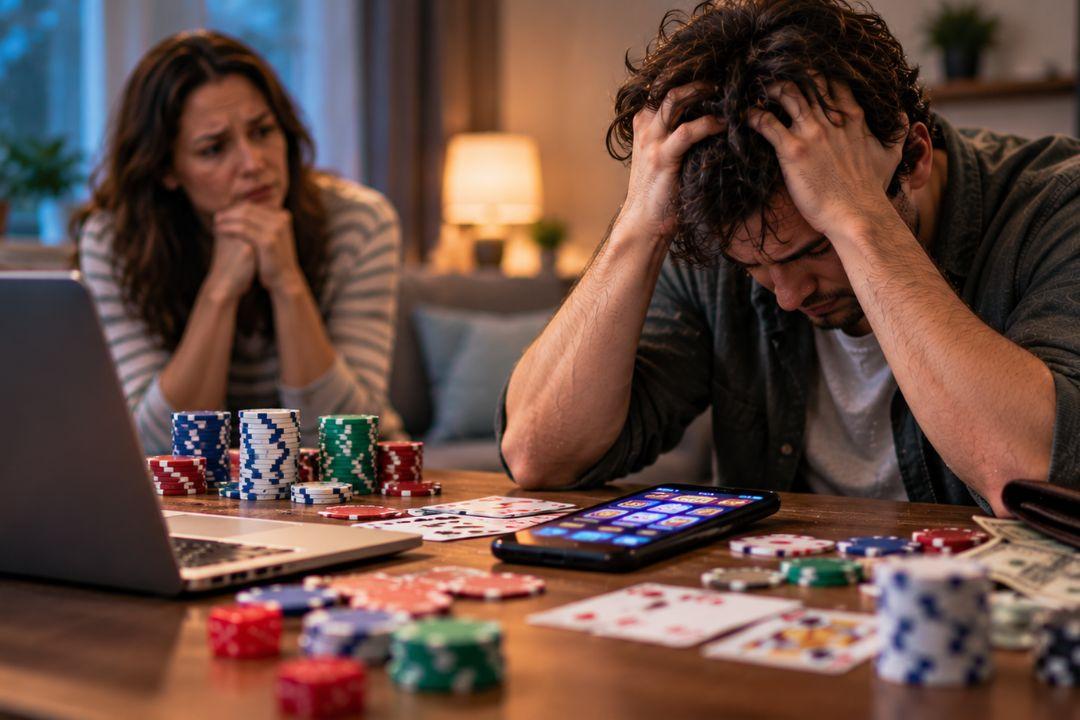
Is gambling addiction a real addiction? Yes. The American Psychiatric Association (APA) classifies gambling disorder as a behavioral addiction because it resembles substance use disorders in how it presents, how it involves the brain, and how it is treated. Clinicians diagnose it by a pattern of signs, not by dollar amounts.
Why Is Gambling Addiction Considered a Real Addiction?
Gambling addiction counts as real because research shows it behaves like other addictions. The APA says the DSM-5 placed gambling disorder in a new category of behavioral addictions, reflecting similarities with substance-related disorders in clinical presentation, brain origin, physiology, and treatment.
The APA defines it as a pattern of repeated, ongoing betting that continues despite causing multiple problems in a person’s life. It also notes that most people who gamble recreationally have no problems. The difference is control, not placing a bet.
Is Gambling Addiction a Real Addiction Without a Substance?
Yes. No drug or drink is involved. The APA’s classification rests on the pattern of loss of control and harm, and that pattern looks familiar to anyone who has seen substance addiction up close.
So is gambling addiction a real addiction if the only thing a person is “taking” is a bet? Clinically, yes, and treatment can help. The APA says treatment for gambling disorder can slowly help return brain pathways to normal functioning, though it also notes that only one in ten people with the disorder seek treatment.
What Are the Signs of Gambling Addiction?
The main signs include losing control, chasing losses, secrecy, and harm to work, money, or relationships. MedlinePlus lists always thinking about gambling, lying about it, spending work or family time on it, feeling bad afterward but not quitting, and gambling with money needed for other things.
The APA’s criteria add more detail:
- Preoccupation: frequent thoughts about gambling, such as replaying past bets or planning the next one.
- Escalation: needing larger bets to feel the same excitement.
- Loss of control: repeated failed attempts to cut back, plus restlessness or irritability when trying.
- Chasing losses: gambling again to win back money already lost.
- Escape: gambling to get away from problems or to cope with a low mood.
- Secrecy: lying to hide how much is happening.
- Fallout: losing a job, school opportunity, or relationship, or relying on others for money to cover gambling problems.
How Is Gambling Disorder Diagnosed?
A clinician diagnoses it when at least four of these criteria are met during the past year, according to the APA. Only a qualified professional can make that call, so treat the list above as a reason to ask, not a verdict.
Frequency is not the test. The APA notes that symptoms can subside for periods and then return, so someone who gambles in bursts can still meet the criteria.
Can Gambling Addiction Be Treated?
Yes. The APA lists cognitive behavioral therapy, psychodynamic therapy, group therapy, and family therapy as options. Support groups such as Gamblers Anonymous, along with support from family, can also help.
There are no FDA-approved medications for gambling disorder, per the APA. Medication may still help with co-occurring depression or anxiety, so a full evaluation is worth having.
Where Can You Get Help in Maryland?
Start with the Maryland Center of Excellence on Problem Gambling. It is a program of the University of Maryland School of Medicine, funded by the Maryland Department of Health, and it lists the helpline 1-800-GAMBLER (1-800-426-2537) for calls or texts, with no-cost treatment available.
The National Council on Problem Gambling also runs a national helpline at 1-800-MY-RESET (1-800-697-3738), with text and chat options. MedlinePlus adds that your health care provider can help you find treatment, and points to FindTreatment.gov to locate providers.
What If Gambling Shows Up Alongside Drugs, Alcohol, or Mental Health Struggles?
Then treat the whole picture. The APA says medication may help with co-occurring depression or anxiety so that gambling can sit alongside other conditions. Our guides on depression and addiction and anxiety and addiction show how overlapping conditions get treated together, and our dual diagnosis guide explains the approach.
The Valley treats substance use disorders and co-occurring mental health conditions in Rockville, Maryland. Our site does not list gambling-specific treatment, so if gambling is part of your story, ask our admissions team what we can offer and what outside support to add.
How Do You Talk to Someone You Are Worried About?
Lead with specific things you have seen, keep it private, and skip the labels. Shame keeps many people quiet, and our article on addiction stigma shows why. Our guide on talking to someone about their addiction gives you words to start with.
Frequently Asked Questions
Can you be addicted to gambling without gambling every day?
Yes. The diagnosis depends on a pattern of signs over the past year, not on how often someone gambles. The APA notes symptoms can subside for periods and return.
Is there a medication for gambling addiction?
The APA says there is no medication approved by the FDA. Medication may help with co-occurring depression or anxiety.
Do I need rehab for gambling addiction?
It depends on your situation. A clinician can assess the right level of care, and the Maryland helpline above can connect you with no-cost treatment.
Can people recover from gambling addiction?
Treatment can help, per the APA. Because symptoms can return, ongoing support from therapy, groups, and family can matter.
Ready to Talk About What You Are Seeing?
Call The Valley at (301) 355-7455, email info@thevalleymd.com, or use the contact page to talk through your situation. If you came here asking is gambling addiction is a real addiction, the answer is yes, and help exists. You can also review our addiction treatment services.