If a drink after work or a pill before a stressful meeting has quietly become the only thing that makes anxiety feel bearable, you already know how convincing that short-term relief can be. Anxiety and addiction treatment exists precisely because that relief rarely lasts, and the cycle it creates often ends up amplifying the very anxiety it was meant to calm. We want you to walk away from this article understanding exactly how that cycle forms, which anxiety disorders are most commonly tangled up with substance use, and what it actually takes to break free of the pattern for good.
The Self-Medication Cycle Explained
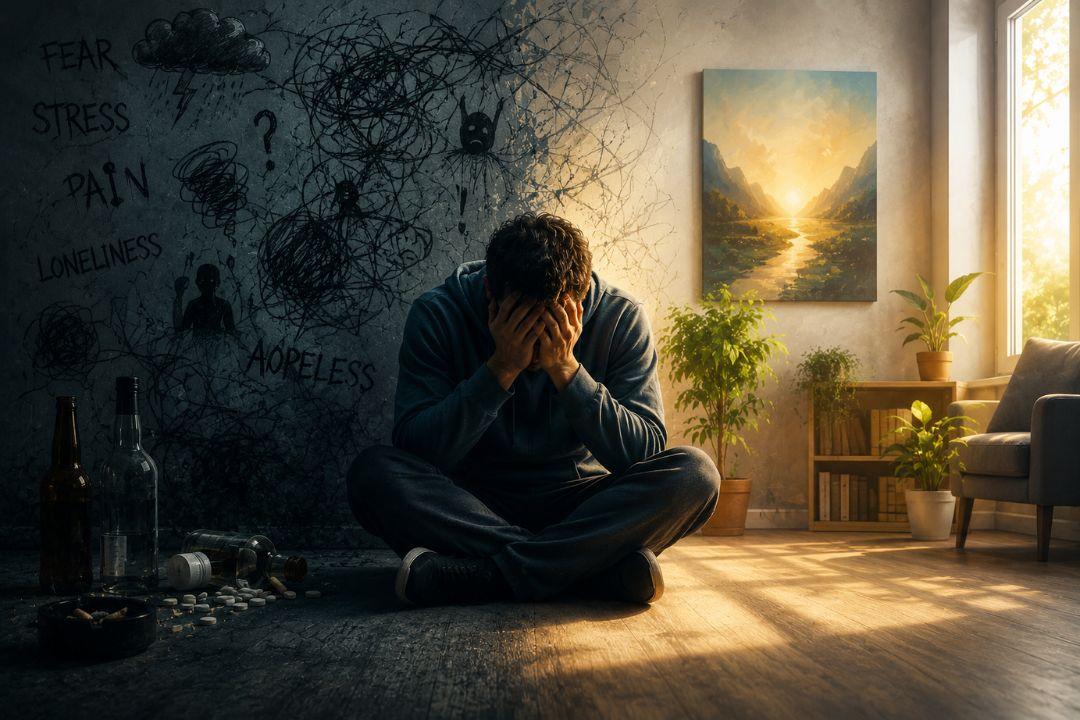
Self-medication happens when someone uses alcohol or drugs, whether prescribed or not, to manage uncomfortable symptoms rather than addressing the root cause. With anxiety, this often looks like drinking to feel calmer in social situations or using benzodiazepines beyond what was prescribed to quiet racing thoughts. The relief feels immediate and real, which is exactly what makes it so hard to give up, especially when nothing else has worked as quickly or as reliably. The problem is that most substances that ease anxiety in the short term tend to worsen it once the effects wear off, creating a rebound that pushes someone toward using again just to feel normal. Over time, this cycle can deepen into full dependence, layered on top of an anxiety disorder that was never actually treated.
Anxiety Disorders Commonly Linked to Substance Use
Several types of anxiety disorders show a particularly strong connection to substance use.
- Generalized anxiety disorder, marked by persistent, hard-to-control worry across many areas of life
- Social anxiety disorder is often tied to alcohol use as a way to feel more comfortable in social settings
- Panic disorder, where sudden panic attacks can lead to substance use aimed at preventing or numbing the next episode
- Health anxiety, which can drive the misuse of prescription medications intended to ease physical symptoms of worry
Each of these presents differently, but all of them share the same underlying risk: using a substance to manage the anxiety symptom, rather than treating the anxiety disorder itself.
Signs the Cycle Has Taken Hold
Certain patterns suggest that self-medication has moved beyond occasional coping and into a cycle that needs professional attention.
- Needing a substance before facing certain social or stressful situations
- Increasing anxiety between uses, sometimes stronger than before
- Using more of a substance over time to get the same calming effect
- Avoiding situations entirely unless a substance is available to manage the anxiety
- Feeling unable to relax or function without using something first
Recognizing these signs early can make a meaningful difference in how quickly someone can break the pattern.
Why Addressing Anxiety Alone Rarely Solves the Addiction
Treating the addiction without addressing the underlying anxiety disorder tends to leave a significant gap in recovery. Once detox ends, the anxiety that originally drove substance use is often still there, sometimes even more intense, without the substance temporarily blunting it. This is a major reason relapse rates stay high when only half of the problem receives real treatment. Programs built around integrated dual diagnosis care, like the approach we describe in our guide on depression and addiction treatment, apply the same principle to anxiety: both conditions need coordinated attention from the very start.
What Effective Anxiety and Addiction Treatment Looks Like
A well-designed treatment plan for co-occurring anxiety and addiction typically includes:
- A comprehensive assessment that identifies the specific type of anxiety disorder alongside a substance use history
- Therapy tailored to anxiety, often drawing on CBT or DBT techniques to build healthier coping tools
- Medically supervised detox, since some substances used to self-medicate anxiety, like benzodiazepines, carry real withdrawal risks
- Relapse prevention planning that specifically accounts for anxiety triggers rather than generic coping strategies
- Ongoing therapy and aftercare that continues addressing anxiety long after the residential stay ends
How The Valley Supports Clients Facing Anxiety and Addiction
At The Valley, set on 15 peaceful acres of farmland in Derwood, Maryland, our clinical team treats anxiety and addiction as connected conditions rather than separate issues to manage one at a time. Our dual diagnosis program combines individualized therapy, medically supervised detox, and a calm, restorative environment designed to help the nervous system genuinely settle, not just temporarily quiet down. Every client's anxiety looks different, and treatment is shaped around that reality from the first assessment onward.
Break the Cycle for Good
Anxiety and addiction treatment works best when the self-medication cycle is addressed at its root, not just managed one symptom at a time. If you or someone you love in Maryland is caught in this pattern, reach out to The Valley today to learn how our dual diagnosis program in Derwood can help you build a lasting recovery.
Frequently Asked Questions
1. Can anxiety lead to addiction, or does addiction cause anxiety?
It can go either direction. Anxiety often leads to self-medication that develops into addiction, while substance use itself can also trigger or intensify anxiety symptoms over time.
2. Which anxiety disorders are most commonly linked to substance use?
Generalized anxiety disorder, social anxiety disorder, and panic disorder are among the most commonly connected to substance misuse.
3. Is it safe to stop using anxiety medication or alcohol on my own?
Not always. Some substances used to self-medicate anxiety carry real withdrawal risks, so any change should be guided by a medical professional.
4. How is anxiety and addiction treatment different from standard addiction treatment?
It integrates therapy for the underlying anxiety disorder alongside addiction treatment, rather than only addressing substance use on its own.
5. Where can I find anxiety and addiction treatment in Maryland?
Programs like The Valley in Derwood, Maryland, offer integrated dual diagnosis care that treats anxiety and addiction together within one coordinated plan.