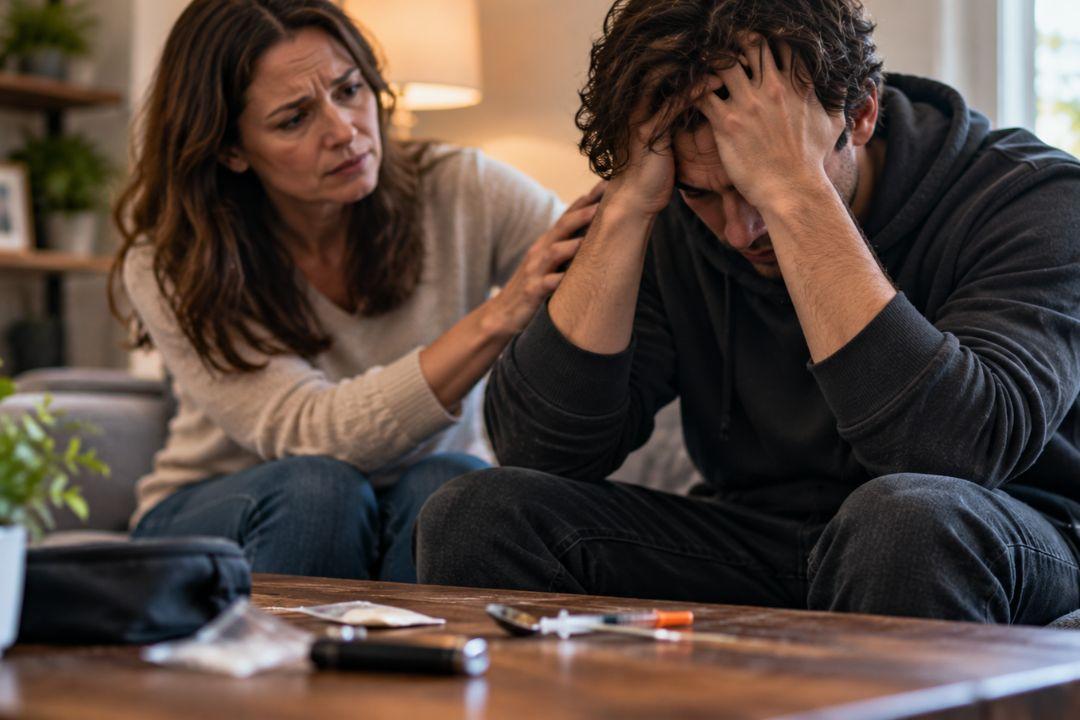
The five main signs of heroin addiction are physical changes after use, withdrawal symptoms between uses, evidence of how the drug is taken, heroin becoming the person's top priority, and continued use despite growing harm. One sign alone does not confirm addiction. A pattern is a reason to seek a professional assessment.
What Is Heroin Addiction?
Heroin addiction, also called heroin use disorder, is a chronic brain disorder in which a person keeps using heroin even though it causes problems in their life. It is a medical condition, not a character flaw.
Heroin is an illegal, very addictive opioid made from morphine, according to MedlinePlus. It can be a white or brown powder or a sticky black substance, and people inject, snort, or smoke it. Each method sends the drug to the brain very quickly, which is part of why it is so addictive.
We work with families across Maryland, Virginia, and Washington, DC. Our article on the opioid and fentanyl epidemic gives more background.
What Are the 5 Signs of Heroin Addiction?
The signs of heroin addiction fall into two groups: what you can see in the body and what changes in behavior. Look for a pattern over time, not a single bad day.
1. Physical changes shortly after use
The Drug Enforcement Administration (DEA) lists these short-term effects:
- Drowsiness, often described as drifting between sleep and wakefulness.
- Slowed breathing
- Constricted, very small pupils
- Warm, flushed skin and dry mouth
- Nausea and heavy-feeling arms and legs
MedlinePlus adds severe itching and vomiting, and notes that drowsiness usually lasts for several hours.
2. Withdrawal symptoms between uses
With heavy use, the body becomes physically dependent on heroin. When the drug wears off, MedlinePlus says withdrawal can include:
- Restlessness
- Muscle and bone pain
- Diarrhea and vomiting
- Cold flashes with goosebumps
Repeated bouts of flu-like symptoms can be a warning sign. Our guide to medical detox explains when withdrawal needs professional care.
3. Evidence of how the drug is taken
Injecting heroin can cause collapsed veins, abscesses, and bacterial infections of the skin, according to MedlinePlus. Marks on the arms, or long sleeves worn in warm weather to cover them, are worth noticing. Not everyone injects, so the absence of marks does not rule heroin out.
4. Heroin becomes the top priority
MedlinePlus notes that getting and using heroin can become a person's main priority. Families often see this as trouble meeting responsibilities at work, school, or home, and a loss of interest in things that used to matter.
5. Continued use despite growing harm
Repeated use builds tolerance, which means the person needs more heroin to get the same effect. Continuing to use despite health problems and damaged relationships is the defining feature of heroin use disorder.
Similar signs can appear with prescription opioids. Our article on prescription drug addiction signs covers those warning signals.
What Are the Signs of a Heroin Overdose?
A heroin overdose is a medical emergency. Call 911 immediately if someone has very small pupils, slow or shallow breathing, or cannot be woken.
Safety comes first. MedlinePlus lists these overdose signs:
- Very small pupils
- Falling asleep or loss of consciousness
- Slow, shallow breathing, or choking and gurgling sounds
- A limp body and pale, blue, or cold skin
- Purple lips and fingernails
If you think someone is overdosing:
- Call 911 right away.
- Give naloxone if it is available. It can reverse an opioid overdose if given in time, and more than one dose may be needed.
- Lay the person on their side to prevent choking.
- Stay with them until emergency workers arrive.
MedlinePlus reports that most heroin in the United States is now combined with illegally made fentanyl, which raises overdose risk. You can buy naloxone at a pharmacy and use it without medical training.
What Does the Research Say, and Where Are Its Limits?
Heroin use disorder is treatable, and a combination of medicine and behavioral treatment often works best. But no checklist can diagnose addiction from the outside.
Keep these limits in mind:
- Signs overlap with other conditions. Drowsiness, nausea, and trouble keeping up with responsibilities have many possible causes, including other health problems.
- Only a professional can diagnose. A clinical assessment considers the full pattern of use and its impact on daily life.
- Treatment is individual. MedlinePlus advises people to work with their health care providers on a plan that fits their needs.
That is a realistic way to use the signs of heroin addiction: as a reason to start a conversation, not as proof. Our guide on how to talk to someone about their addiction can help with the first step.
How Does The Valley in Rockville Treat Opioid Addiction?
We provide residential treatment for drug and alcohol addiction, including opioids, at our Rockville, Maryland campus. Care begins with an assessment of addiction severity and any co-occurring mental health conditions.
Our approach includes medically supervised detox, with staff monitoring withdrawal and providing medication when needed. Our therapists use evidence-based methods such as cognitive behavioral therapy, dialectical behavior therapy, motivational interviewing, and group therapy. Ask admissions whether medication-assisted treatment may be part of your loved one's plan.
Read more about what to expect in rehab for opioid and fentanyl addiction, or learn about our Rockville rehab center.
Frequently Asked Questions
Can someone hide a heroin addiction from family?
Yes, often for a long time. That is why patterns matter more than any single sign.
Do all people who use heroin have needle marks?
No. Heroin can also be snorted or smoked, so the absence of marks does not rule it out.
Is it safe to stop heroin at home?
Withdrawal can be very uncomfortable, and each person's needs vary. Talk with a health care provider about supervised detox before stopping.
What if my loved one refuses help?
You still have options. Our guide on helping someone who refuses treatment outlines practical steps for families.
Worried About a Loved One's Heroin Use?
Call The Valley at (301) 355-7455, email info@thevalleymd.com, or use our contact page to talk with admissions about what you are seeing. Recognizing the signs of heroin addiction is the first step, and our team can help with insurance verification and the right level of care. You can also review our addiction treatment services.