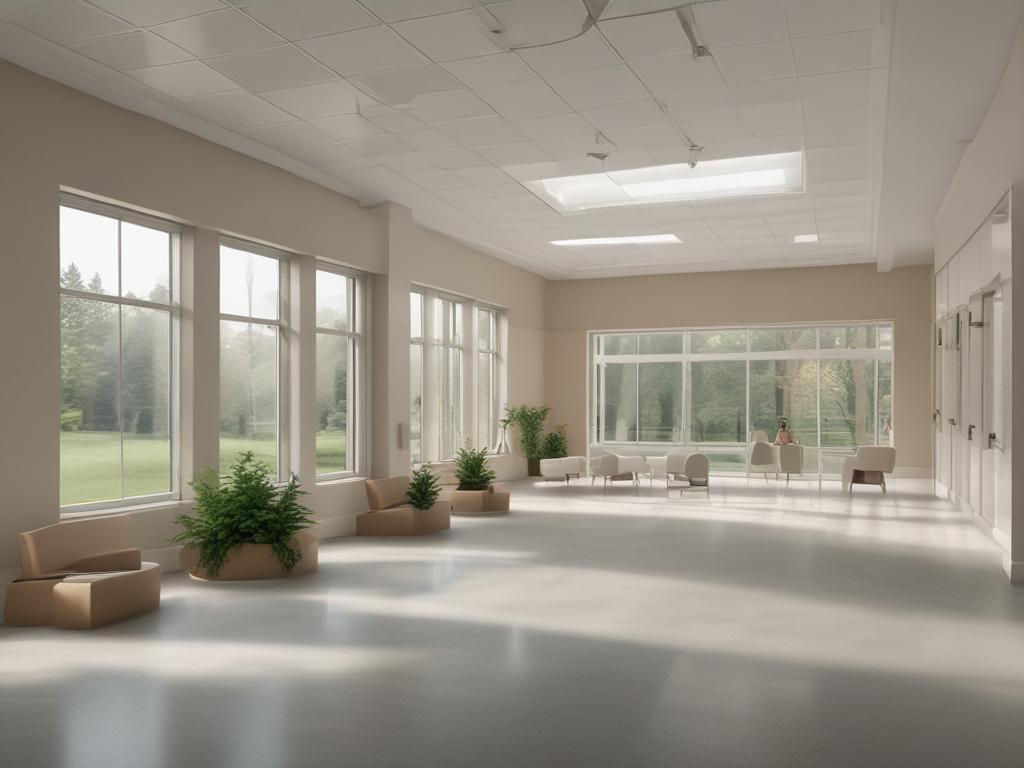
Residential rehab means living at a treatment center while receiving ongoing care rather than returning home between treatment sessions.
Walking into residential rehab for the first time feels disorienting, and most people have no idea what the days will actually look like. What happens during residential rehab follows a structured daily rhythm of medical support, therapy, and skill-building designed to help you stabilize, heal, and prepare for life after treatment.
At The Valley, we provide residential addiction treatment in Rockville for people dealing with alcohol addiction, drug dependency, and co-occurring mental health disorders.
To understand what happens at a residential rehab in Maryland, read till the end.
What a Typical Day Looks Like Inside Residential Rehab
Every day at The Valley runs on structure. Mornings start early with wellness checks, medication support if needed, and a nutritious breakfast that sets the tone for the day. This predictability matters more than most people expect once they are new to recovery.
Mornings: Stabilization and Routine
The first hours focus on physical and emotional stabilization. Clients meet with nursing staff for a wellness check, then settle into the rhythm of the house before group programming begins. For many, this is the first real structure they have had in months.
Afternoons: Therapy and Skill Building
Afternoons are where the clinical work happens. Individual counseling, group therapy, and evidence-based approaches like CBT help clients understand the roots of their addiction. Clients working through co-occurring conditions also receive dual diagnosis treatment alongside their core program.
Evenings: Reflection and Rest
Evenings slow down on purpose. Clients take part in recreational activities, reflect through journaling or peer discussion, and wind down before lights out. Sleep and downtime are treated as part of treatment, not a break from it.
What Happens at a Residential Rehab: The First Week
Early days focuses on stabilization. You settle into a home-like residential setting with only 48 beds, so care stays personal rather than crowded. A low staff-to-client ratio means our team can focus on you specifically rather than manage a caseload.
Men and women are placed into separate tracks, such as our men's residential rehabilitation or women's residential rehabilitation programs, so treatment can address the different ways addiction and trauma show up for each group. Comfortable rooms, semi-private bathrooms, and a full menu of customized meals support the body while the clinical work begins.
Full-Day Therapeutic Programming
Our residential program is built around full-day therapeutic programming, not a few scattered sessions. Clients take part in individual counseling and group therapy, using evidence-based approaches like CBT to work through the roots of addiction. Clients facing co-occurring conditions also receive dual diagnosis treatment alongside their core program, since addiction and mental health challenges are often connected.
Recreation is part of the plan too. Our campus includes a swimming pool where clients can unwind, and our Professional Program offers additional wellness options, such as yoga and acupuncture, for executives who need a more discreet, tailored setting.
Weeks Two and Three: Building Real Recovery Tools
Once stabilization passes, the focus shifts toward building skills that outlast the program. This stage of residential rehab in Maryland introduces relapse prevention planning, family involvement where appropriate, and deeper individual therapy work.
Clients start identifying personal triggers and rehearsing responses to them in a safe setting. Group sessions become more candid, and peer support starts to carry real weight. Many clients describe this stretch as the point where treatment stops feeling like a program and starts feeling like practice for the life they are rebuilding.
This is also when many people begin to trust the process rather than just endure it. The structure that felt rigid in week one starts to feel like support. Small wins, like sleeping through the night or getting through a craving without acting on it, start to add up into real confidence.
Why Structure Matters More Than People Expect
Most people underestimate how much a predictable schedule contributes to healing. Addiction thrives on chaos, and a day-by-day rehab schedule removes the guesswork that used to trigger old patterns. Knowing exactly what comes next, from meals to therapy to rest, gives the brain room to focus on recovery instead of survival.
This is also where what happens during residential rehab differs most from outpatient care. Round-the-clock support means nothing falls through the cracks during the hardest early weeks. There is no commute home to an environment full of old triggers, and no gap in supervision where cravings can quietly take over.
Nutrition, rest, and even recreation are treated as part of the clinical plan rather than extras. A stable body supports a stable mind, and that combination is what makes the therapeutic work of residential rehab possible in the first place.
Ready to Take the First Step Toward Recovery?
If you have been searching for what happens during residential rehab on a real, day-to-day level, we hope this gave you a clearer picture. We built our program around structure, compassion, and evidence-based care because we know recovery works best when people feel supported, not judged.
Learn more about our<a href="https://www.thevalleydmv.com/addiction-treatment-services"> addiction treatment services or contact our team today to talk through your options and start your path toward lasting recovery.
Frequently Asked Questions
How long does residential rehab usually last in Maryland?
Length of stay at residential rehab in Maryland depends on individual needs, but most residential programs run several weeks, followed by an aftercare plan for continued support.
What is the first week of rehab like?
The first week focuses on assessment, stabilization, and adjusting to structure, with close medical and clinical support throughout.
Do residential rehab programs treat mental health too?
Yes, many residential programs include dual diagnosis care to treat substance use and conditions like anxiety, depression, or PTSD together.
Can family be involved during residential treatment?
Family involvement is often introduced once a client is stabilized and ready to work on relationships as part of long-term recovery.
What happens after residential rehab ends?
Clients typically move into aftercare planning, relapse prevention strategies, and ongoing support to maintain progress after leaving treatment.